

Blog

What is spirituality

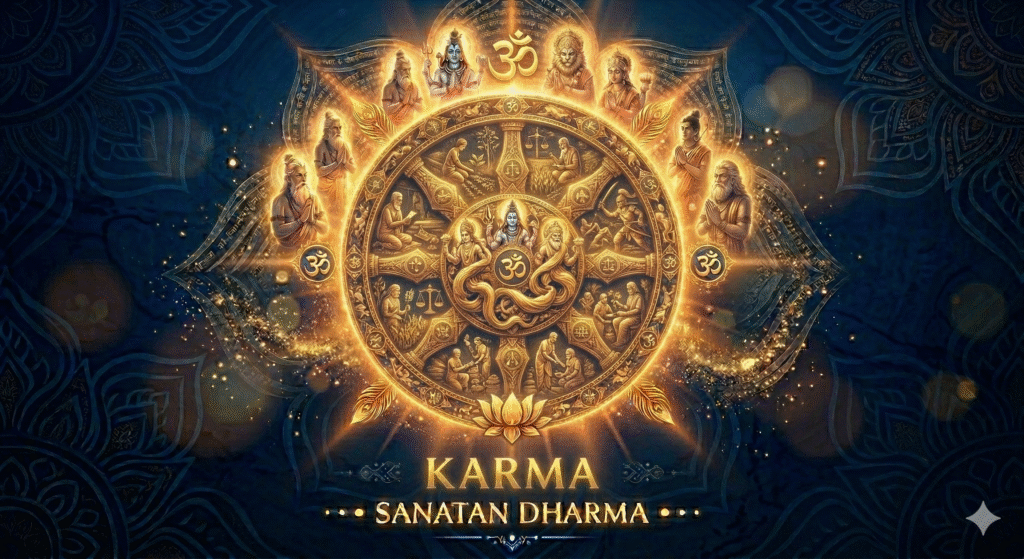
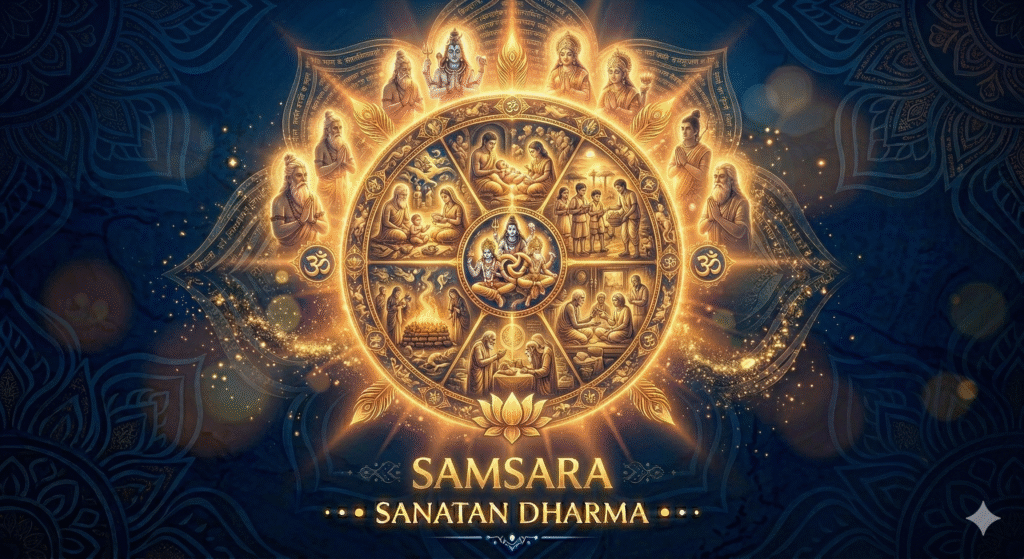
Spirituality is the inner science of life that focuses on understanding the true nature of existence, consciousness, and self. It goes beyond the physical body and material world, aiming to realize the inner self (Atman) and its connection with the universal consciousness. Spirituality seeks answers to fundamental questions such as Who am I? Why am I here? What is the purpose of life? Spirituality emphasizes personal experience rather than blind belief. It involves practices such as meditation, mindfulness, self-reflection, prayer, compassion, service, and ethical living. Through spirituality, individuals develop inner peace, wisdom, self-control, and emotional balance. It teaches detachment from ego, greed, and ignorance while cultivating love, humility, and awareness. Unlike material success, which is temporary, spirituality focuses on lasting fulfillment and liberation from suffering. It helps a person rise above fear, anger, and desire, leading toward inner freedom and enlightenment. Why is Spirituality Important in Life? Spirituality plays a vital role in human life because it provides meaning, direction, and inner strength. In a fast-paced and stressful world, spirituality acts as an anchor that keeps the mind calm and stable. It helps individuals cope with pain, loss, failure, and uncertainty by developing acceptance and trust in life’s process. Spirituality promotes mental and emotional well-being by reducing anxiety, depression, and negative thoughts. It encourages self-discipline, patience, forgiveness, and gratitude. A spiritual person learns to live in the present moment rather than being trapped in regrets of the past or worries about the future. On a moral level, spirituality shapes character by guiding people toward truth, non-violence, honesty, compassion, and selfless service. It improves relationships, as spiritual awareness nurtures empathy and understanding. Ultimately, spirituality leads to self-realization and helps individuals experience deep joy, peace, and purpose beyond material achievements. What is the Difference Between Religion and Spirituality? Religion and spirituality are closely related but fundamentally different in approach. Religion is a structured system of beliefs, rituals, scriptures, and traditions followed by a community. It provides a defined path toward God or the divine, often involving worship, ceremonies, moral codes, and institutional authority. Religion creates social identity and discipline and helps preserve spiritual teachings across generations. Spirituality, on the other hand, is personal, internal, and experiential. It focuses on inner transformation rather than external rituals. Spirituality encourages direct connection with the divine through awareness, meditation, and self-realization. It does not depend on institutions or formal rules. In essence, religion is the framework, while spirituality is the essence. Religion can guide a person toward spirituality, but true spirituality goes beyond religious boundaries and unites all humanity through consciousness and love. What is the Soul? The soul is the immortal, eternal essence of a living being. It is the source of consciousness, awareness, and life energy. According to spiritual philosophies, the soul is neither born nor destroyed; it only changes bodies, similar to how a person changes clothes. The body and mind are temporary and subject to aging and death, but the soul remains unchanged. The soul carries impressions (sanskaras) formed through thoughts, actions, and experiences across lifetimes. These impressions influence personality, tendencies, and destiny. The soul is pure by nature, free from ego, fear, and desire. Ignorance of the soul leads to attachment and suffering, while realization of the soul leads to liberation (moksha). Spiritual practices help remove illusions and allow the soul to recognize its divine nature. What is Karma and How Does It Affect Life? Karma is the universal law of cause and effect. Every thought, word, and action creates an energy that returns to the individual in some form. Karma is not punishment or reward imposed by a higher authority; it is a natural process of balance and learning. There are three main types of karma: Sanchita Karma – accumulated karma from past lives Prarabdha Karma – karma responsible for present life experiences Kriyamana Karma – karma created by current actions Karma influences circumstances such as birth, relationships, success, struggles, and health. However, karma does not remove free will. Through awareness, right action, and spiritual growth, a person can change future karma. By practicing selfless service, compassion, truthfulness, and detachment, one purifies karma. Ultimately, transcending karma through spiritual realization leads to freedom from the cycle of birth and death. How to Chant Mantras Correctly? Mantra chanting is not just repeating words—it is a science of sound, vibration, and consciousness. Each mantra carries a specific energy frequency that influences the mind and inner being. A mantra is a sacred sound, word, or phrase. Examples: Gayatri Mantra ॐ भूर्भुवः स्वः । तत्सवितुर्वरेण्यं । भर्गो देवस्य धीमहि । धियो यो नः प्रचोदयात् ॥” Maha Mrityunjaya Mantra ॐ त्र्यम्बकं यजामहे सुगन्धिं पुष्टिवर्धनम्। उर्वारुकमिव बन्धनान्मृत्योर्मुक्षीय मामृतात्॥  The power lies in sound (nāda) and intention (bhāva). Choose a clean, quiet place. Sit comfortably with your spine straight. Face east or north if possible. Calm your breath before starting. Pronounce each syllable clearly. Chant slowly and rhythmically. Do not rush; feel the vibration. Incorrect pronunciation reduces effectiveness. Keep your attention on the sound. Avoid multitasking during chanting. Chant daily, even if for a short time. Consistency is more powerful than quantity. Brahma Muhurta (4–6 AM) is ideal. Morning chanting purifies the mind for the whole day. Result: Mental clarity, emotional balance, and spiritual growth. Best Morning Spiritual Routine || प्रातःस्मरण मंत्र:|| कराग्रे वसते लक्ष्मीः करमध्ये सरस्वती । करमूले तु गोविन्दः प्रभाते करदर्शनम ॥ Translate in hindi हाथ की उंगलियों के अग्रभाग (टिप) पर लक्ष्मी, मध्य भाग में सरस्वती और मूल (हथेली के नीचे) में भगवान विष्णु (गोविन्द) का वास होता है, इसलिए सुबह उठकर हाथों के दर्शन करने चाहिए ताकि जीवन में धन (लक्ष्मी), ज्ञान (सरस्वती) और ईश्वर (विष्णु) की कृपा प्राप्त हो और दिन शुभ हो। Morning is the most powerful time for spiritual practices because the mind is fresh and receptive. Step-by-Step Ideal Routine Wake up before sunrise. Early hours are calm and sattvic (pure energy). Thank the universe for life, health, and opportunities. Gratitude raises your vibration instantly. Brush, bathe, and wear clean clothes. Physical purity supports mental clarity. Sit silently and observe